
Choosing the right shoes can markedly impact a man's daily comfort and overall style. With numerous options available, it is vital to take into account factors such as foot type, arch support, and shoe materials.
Each choice plays an important role in achieving the perfect balance between functionality and aesthetics. Understanding these elements will guide individuals toward making informed decisions.
What key factors should one prioritize to guarantee both comfort and style in their footwear choices?
When selecting shoes, understanding foot types and the importance of arch support is crucial for comfort and health. Each individual has a unique foot shape, categorized generally into three types: flat, neutral, and high arches.
Flat-footed individuals often require shoes with extra arch support to prevent discomfort, while those with high arches benefit from cushioning that alleviates pressure points.
Neutral arches usually find a balance with moderate support. Proper arch support aligns the body, reduces strain on joints, and enhances overall stability. Recognizing one's foot type helps in choosing footwear that promotes well-being, ultimately leading to better performance and reduced injury risk.
The world of footwear offers a diverse array of styles, each designed to cater to different needs and occasions. From formal dress shoes that elevate business attire to casual sneakers perfect for everyday wear, the options are vast.
Loafers provide a blend of comfort and sophistication, while boots offer durability and style for colder months. Sandals are ideal for warm weather, allowing breathability and ease.
Athletic shoes, designed for specific sports, enhance performance and support. Understanding these different styles helps individuals choose the right shoe for their lifestyle, ensuring both functionality and aesthetic appeal in their daily activities.
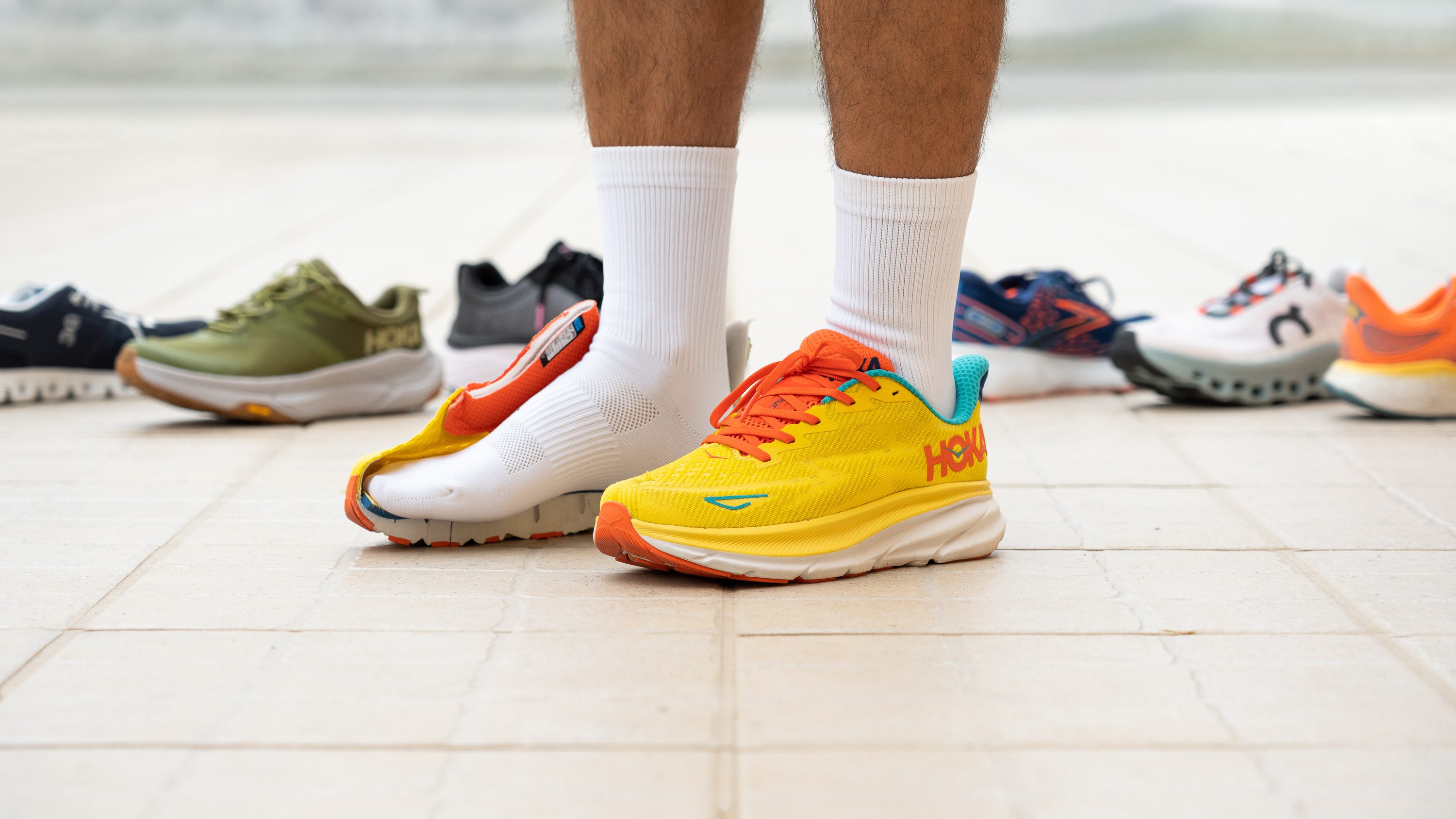
Selecting the right shoe style is only part of the equation; the materials used in construction greatly influence both comfort and durability. High-quality leather, for instance, offers breathability and a molded fit, enhancing comfort, while also ensuring long-lasting wear.
Synthetic materials can provide lightweight options, but may sacrifice breathability and long-term durability. Additionally, cushioning materials like EVA foam improve shock absorption, contributing to overall comfort.
Balancing these materials is essential; shoes that prioritize comfort may wear out faster, while those focusing on durability might feel rigid initially. Ultimately, understanding the interplay between materials can lead to an informed purchasing decision.
Although style and materials are essential, proper sizing often determines a shoe's overall effectiveness and comfort. Ill-fitting shoes can lead to discomfort, blisters, and long-term foot problems.
A correctly sized shoe allows for adequate toe space, proper arch support, and an overall snug fit without pinching. Men should always measure their feet before purchasing, as sizes may vary between brands and styles.
Additionally, considering foot width is vital; shoes that are too narrow or wide can compromise stability. Ultimately, investing time in selecting the right size enhances the wearer's experience, ensuring both comfort and style in every step taken.
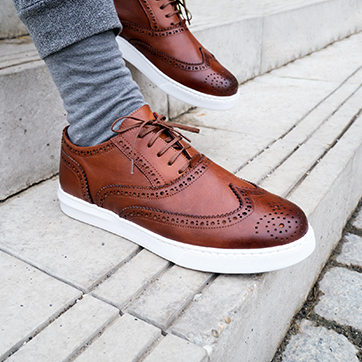
Maintaining shoes properly can greatly extend their lifespan and keep them looking fresh. Regular cleaning is essential; dirt and grime can wear down materials over time. Using the appropriate cleaner for each shoe type guarantees effective maintenance.
Additionally, storing shoes in a cool, dry place and using shoe trees can help retain their shape. Rotating shoes and allowing them to air out prevents odor buildup and prolongs wear.
Regularly inspecting for signs of damage, such as worn soles or loose stitching, allows timely repairs. Finally, applying water and stain repellents can provide an extra layer of protection against the elements.
Properly maintained shoes not only look better but also serve as a foundation for stylish outfits. For casual outings, well-fitted sneakers or loafers can complete a relaxed look. In professional settings, classic dress shoes, such as oxfords or brogues, project sophistication.
For semi-formal events, Chelsea boots or smart loafers strike the perfect balance. Outdoor gatherings may call for durable, stylish boots that offer comfort.
When attending formal occasions, polished leather shoes in black or dark brown elevate any suit. Ultimately, selecting the right footwear for various occasions enhances overall appearance and guarantees confidence in every step taken.
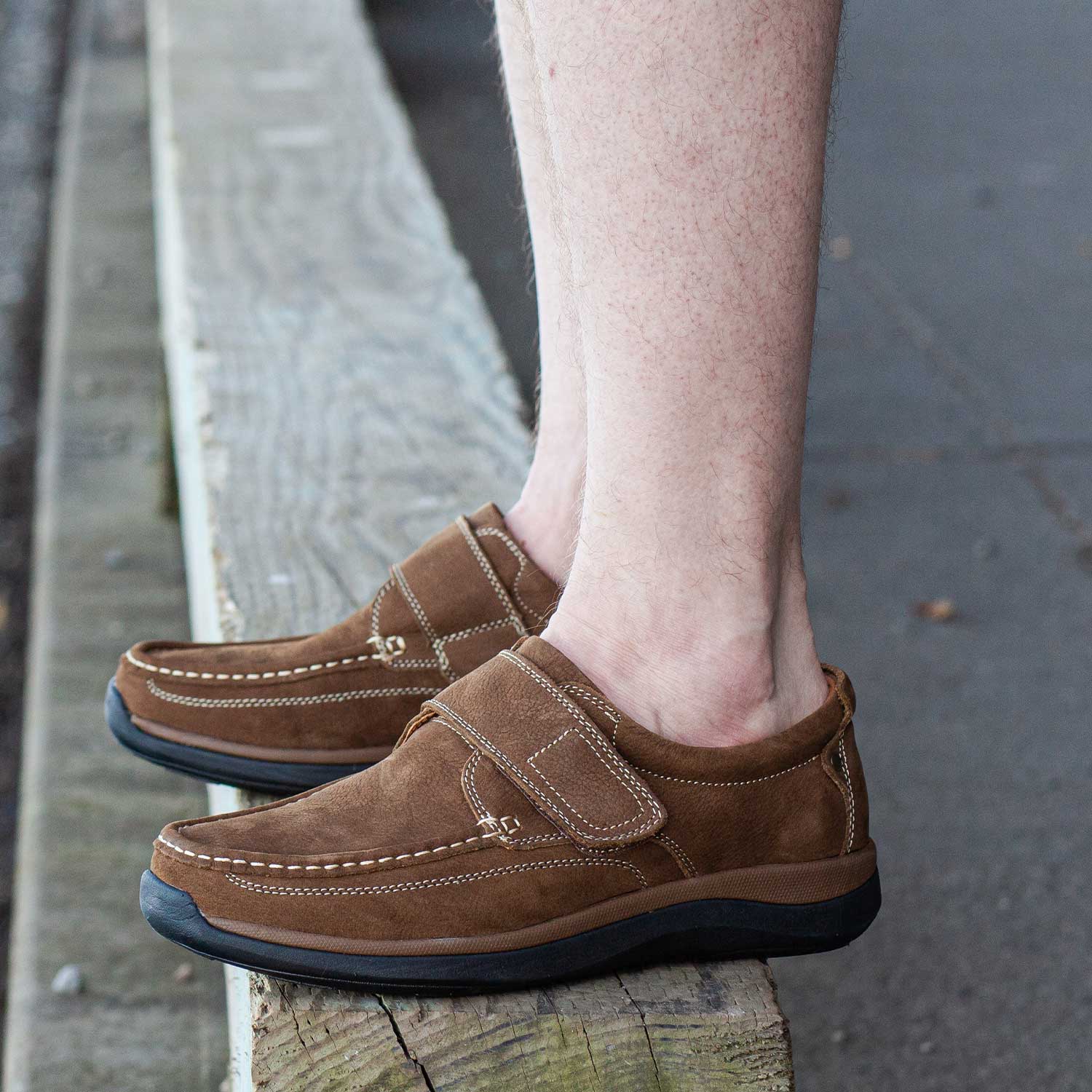
The best materials for shoe durability include high-quality leather, rubber, and synthetic fabrics. Full-grain leather offers exceptional strength and resistance to wear, while rubber soles provide excellent traction and longevity. Additionally, materials like ballistic nylon and polyurethane are known for their durability and water resistance. Choosing shoes made from these materials can greatly enhance their lifespan, ensuring they withstand daily use and various environmental conditions while maintaining comfort and style.
To choose the right shoe size, one should start by measuring both feet, as they can vary in size. It is advisable to try shoes on later in the day when feet are slightly swollen. Ensuring there is adequate space at the toe and a snug fit around the heel is essential. Additionally, considering the type of socks worn and the shoe's intended use can aid in selecting the most comfortable fit.
To determine the correct shoe size, one should measure both feet while standing, using a ruler or tape measure to note the length and width. It is advisable to measure at the end of the day when feet are most swollen. Comparing these measurements with a sizing chart from the specific brand can provide an accurate fit. Trying on shoes with appropriate socks will help guarantee comfort and avoid size discrepancies.